Key takeaways
- Babies recognise the sound of their own name at around four and a half months.
- People remember information better when they relate it to themselves, a finding psychologists call the self-reference effect.
- A 2014 study found young children talked more during shared reading when the book was personalised.
- Notice whether your child wants to return to the book, and keep offering stories about other people and places too.
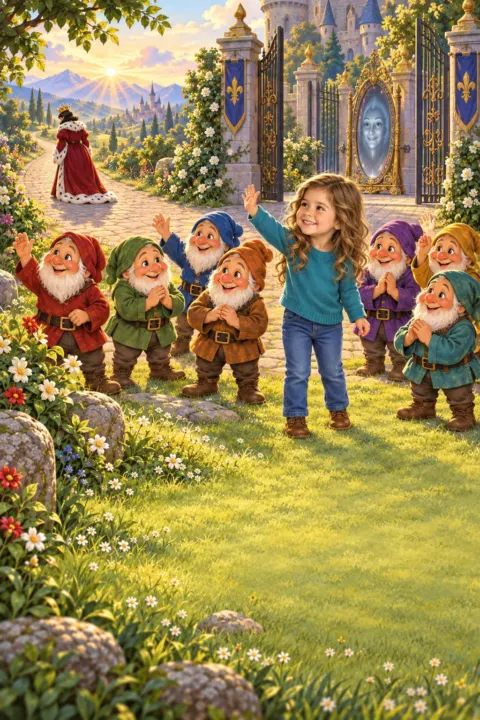
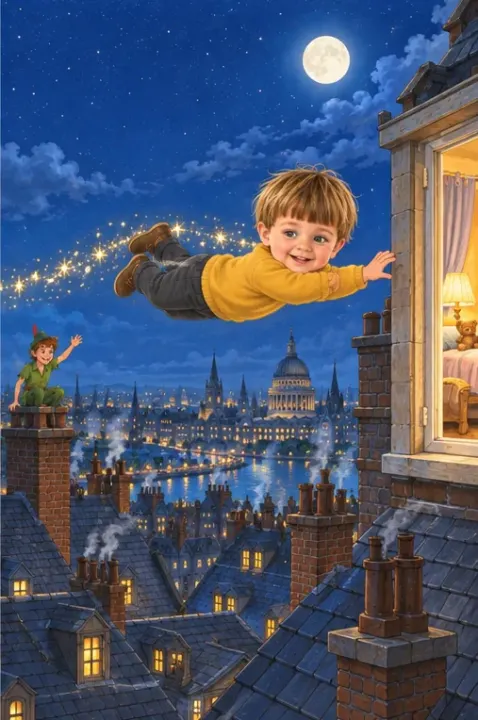
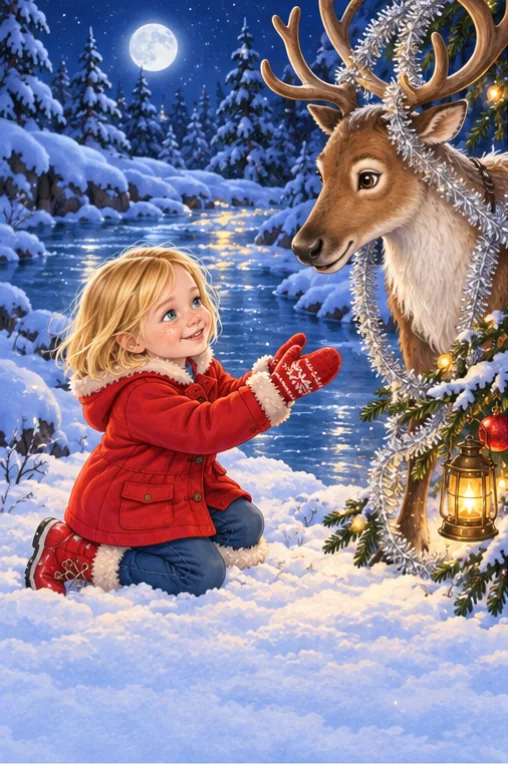
A familiar name or face can offer a starting point for shared reading. Some children enjoy spotting themselves in a story; others prefer a different book. It’s tempting to put that down to toddler vanity, but there is some decent research behind why it happens, and it’s useful to know if you’re trying to raise a reader.
A name is a very old signal
Our own name is one of the first words we learn to pick out. In 1995 Denise Mandel, Peter Jusczyk and David Pisoni tested babies of about four and a half months and found they listened longer to their own name than to other names with the same rhythm. Months before they can say it, babies can show a listening preference for that familiar sound.
An adult’s attention can also be drawn to their own name. It’s why your name cuts through a noisy room when a conversation beside you doesn’t. A book that uses a child’s name puts that signal on every page.
We remember what’s about us
In 1977 Tim Rogers, Nicholas Kuiper and William Kirker asked people to judge lists of words in different ways. Words they’d judged in relation to themselves (“does this describe you?”) were remembered better than words judged for meaning or sound. This is known as the “self-reference effect”. The cited experiment was conducted with adults; it did not test personalised children’s books.
A personalised story nudges children into exactly that kind of thinking. It isn’t a story about Jack climbing a beanstalk. It’s me climbing, and me deciding whether to go into the giant’s castle.
Research on personalised books themselves
In a 2014 study by Natalia Kucirkova, David Messer and Kieron Sheehy, 35 preschool children heard personalised and non-personalised sections of the same book. During the personalised section, the children said more about the story, asked more questions and referred to themselves more often.
The same researchers are careful not to oversell it. Personalisation isn’t a reading intervention on its own, and children still need a wide diet of stories about other people and other places. That’s our view too. A personalised book is a very good way in, and a bad reason to stop there.
What it means at bedtime
One possibility to explore is whether your child wants to read the book again. Repeated reading of the same story is how young children learn vocabulary and the shape of a story, and eventually how they “read” it back to you from the pictures. A book they choose themselves gets read.
Some things that make the most of it:
- Stop and ask. “What do you think you’ll do next?” Give your child time to answer.
- Let them tell it. Invite a child who cannot read yet to tell you what is happening in the pictures.
- Point at their name. Ask whether they can spot the same name elsewhere on the page.
- Talk about feelings. “Were you scared of the giant? What made you brave?”
For a reluctant reader
A child who says they don’t like reading will often read one page aloud if it’s about them. Take turns: they read their page, you read the next.
Does it matter whether the pictures look like them?
The research above is mostly about names and self-relevance. It’s reasonable to expect the effect to be stronger when the child can see themselves as well as hear their name, but we’re not aware of a study that measures that directly, so treat it as our opinion. If you want to compare the two kinds of book, see
name-only vs photo-illustrated
.
Sources
- Mandel, D. R., Jusczyk, P. W., & Pisoni, D. B. (1995). Infants’ recognition of the sound patterns of their own names. Psychological Science, 6(5), 314–317.
- Rogers, T. B., Kuiper, N. A., & Kirker, W. S. (1977). Self-reference and the encoding of personal information. Journal of Personality and Social Psychology, 35(9), 677–688.
- Kucirkova, N., Messer, D., & Sheehy, K. (2014). The effects of personalisation on young children’s spontaneous speech during shared book reading. Journal of Pragmatics, 71, 45–55.
If you’d like to try it with your own child,
you can make a short book on iaminthestory.com.
These studies concern particular tasks and reading settings. They do not establish that AI photo-illustrated books improve reading or sleep, or outperform name-only books.
Frequently asked questions
Do personalised books help children learn to read?
A personalised book may interest a child and prompt conversation during shared reading. The studies cited here do not establish that our AI books teach reading. Keep offering a range of books and follow the child’s interests.
Is it bad for a child to always be the hero?
Not if it's one book among many. It's also a useful way into conversations about bravery, kindness and trying new things.
When do children recognise themselves in pictures?
Mirror self-recognition often emerges around 18–24 months, but recognising oneself in a photograph is a different task. Children vary; this is not a deadline or an assessment of your child.
Make this story your own
See the roles and options for this tale on I Am In the Story.
Language:Deutsch Français Español Italiano Nederlands Svenska Dansk Norsk