
Growing Up Together
My child won’t share toys: what can we do before a playdate?
A practical playdate plan for a child who won’t share: separate treasured possessions, shared materials and turn-taking without demanding everything.
Everyday worries, big feelings and small steps: practical ideas for parents, with stories that open up a conversation.
A practical playdate plan for a child who won’t share: separate treasured possessions, shared materials and turn-taking without demanding everything.

What can you say when your child lies? Try calm conversations, separate pretend play from deliberate hiding, and discuss putting mistakes right.
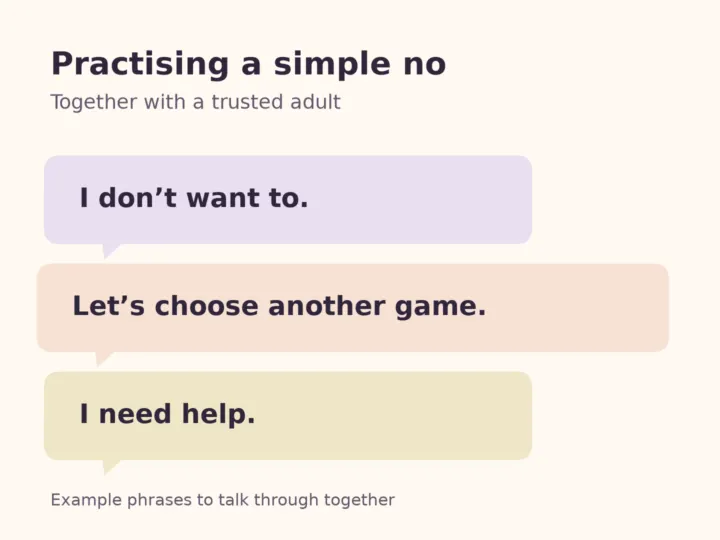
Help a child who agrees to things they do not want: short boundary phrases, gentle practice and a plan for seeking adult support under…
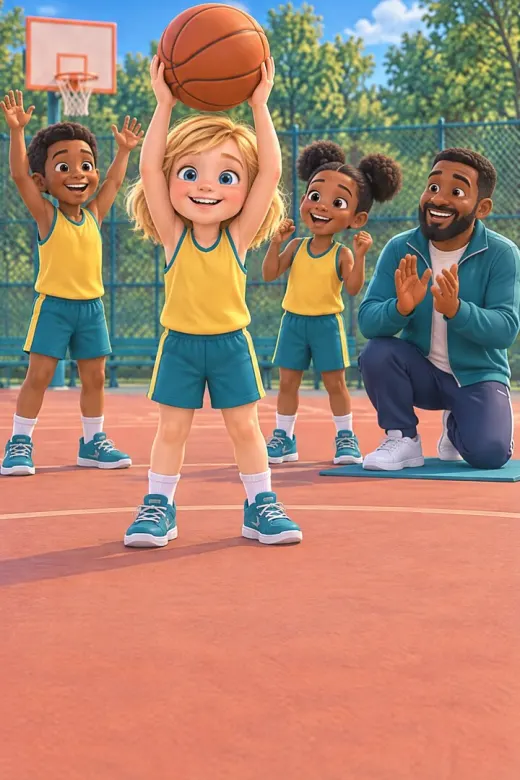
When your child says everyone else is better, listen without reversing the ranking. Try specific words, a progress folder and a basketball example.

Help a child prepare for a doctor’s visit with honest explanations, a teddy check-up and real choices to discuss with the healthcare team.

What helps when a child cries or spoils a game after losing? Find words for the moment, fair rules and a small plan for…

Support a child who stops when a task gets hard: find the sticking point, make the next step smaller and give specific feedback without…

A goodbye plan for the first days of preschool or nursery: questions for the teacher, honest return promises and what to ask after collection.

What to say when your child is teased: listen without blame, identify safe adults and use a specific message to agree a plan with…

Respond to “You can’t play” without shaming: distinguish exclusion from wanting space, offer meaningful roles and practise invitations with toys.

Help a child who chooses every role and rule in play. Try shared decision cards, specific words and ways to notice listening without shaming.

What can you say when your child is scared of the dark? Try a small night-time plan, calm conversations and a story to explore…