The Scientist and the Paper That Wouldn't Quit a personalized book with your child as the hero
Two flops, five counters, and a notebook that keeps the whole story
Make this book · first 4 pages freeSee the example book
A paper bridge for the school science fair collapses twice, and our young investigator wants to hide the results. Keeping those wobbles in a notebook leads to a better question: what happens if only the shape changes? One carefully folded sheet carries five wooden counters. At the fair, honest notes and repeated tests earn the warmest praise.
What your child learns
Small lessons inside the story, to talk about together after reading.
A test that fails still teaches you something
The flat paper bridge falls twice and our hero wants to throw the sheets away, but keeps them and draws what happened. An unexpected result is a useful clue, not a failure.
Changing only one thing
Our hero keeps the same paper, the same gap and the same counters, and changes only the shape of the paper by folding it. When just one thing changes, you can tell what made the difference.
Checking again and telling it honestly
Our hero repeats the folded test and at the fair shows the two sheets that failed as well as the bridge that worked. Real scientists share everything they found.
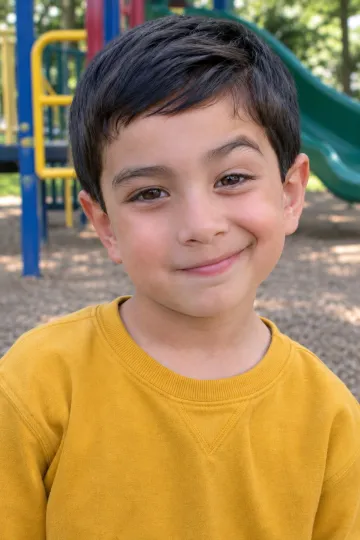
See a finished book
George: The Scientist and the Paper That Wouldn't Quit
A finished story. The child in it, George, is AI-generated — not a real child. Your own book stays private and is never published.
Illustrated (Picture style) · Low (Illustration strength) · Luminous drawing (Illustration look)
Pages from the story
Pages from the story
Illustrations from this story. Your book is drawn with your own child as the hero, in this story's colours.
The Scientist and the Paper That Wouldn't Quit: the full story
George could make paper into a hat, a fan or a very lopsided frog. But could one sheet become a bridge? At school, the science fair was coming. George wanted visitors to see something surprising. On the classroom table stood two matching wooden blocks, with a handspan of empty space between them. George held up a sheet of paper. “Could this carry five counters across that gap?”
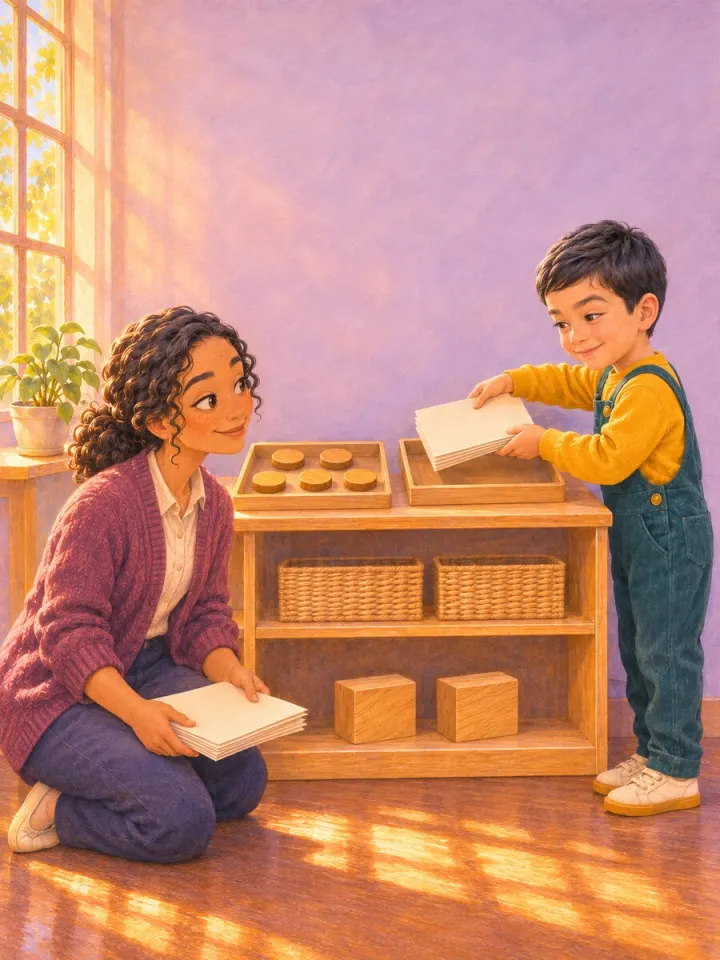
Teacher Rowan brought five broad, smooth wooden counting counters. They were too heavy for a paper frog to carry, George thought. Rowan sat beside the low table. This experiment needed no bottles, heat or sharp tools. Just paper, blocks, counters, a notebook and someone willing to look carefully. George guessed that a sheet resting on both blocks would hold the counters. After all, the blocks looked very sturdy.
George laid the paper flat across the gap. Both ends rested on the blocks. Slowly, George placed the first counter in the middle. The paper bowed. Then it slipped down between the blocks. Plop! The counter landed on the table a short distance below. George's mouth fell open. The blocks had not moved, but the bridge had certainly stopped being a bridge.
Perhaps that sheet had been unlucky. George fetched a fresh one of the same size and kind. The blocks stayed where they were. The same counter went into the middle. Once again, the paper sagged and slipped. George stood very still. Two tries. Two flops. Across the room, a classmate was arranging a handsome collection of leaves. George wished the science fair had been a leaf fair instead.
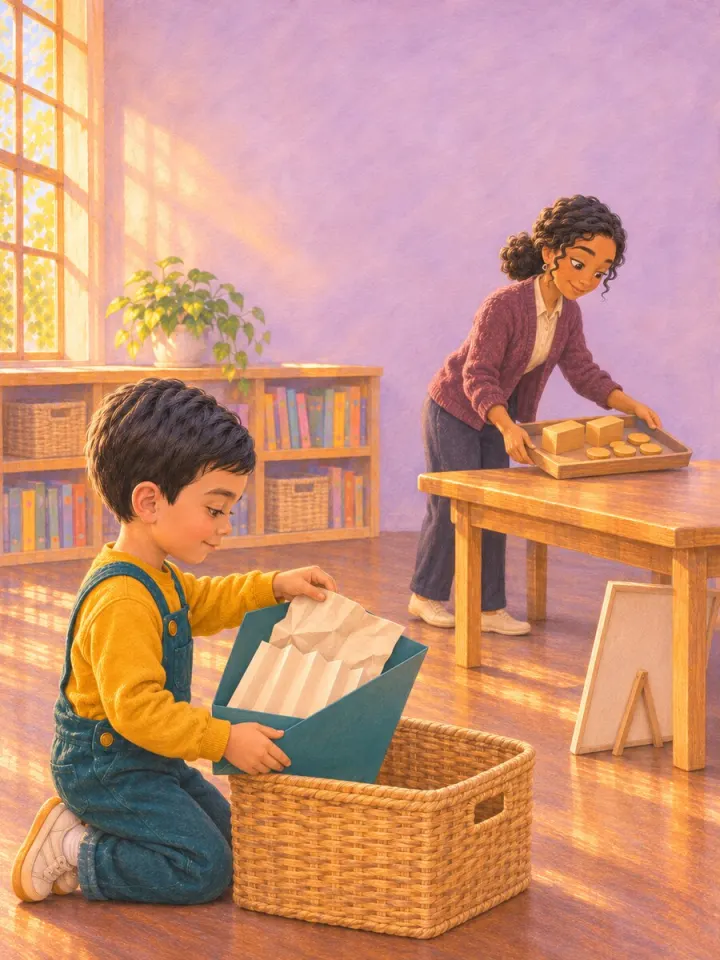
“I'll put these in the recycling,” George said, gathering the fallen sheets. Rowan held out the teal notebook. “Before you do, what happened?” George sighed. “It didn't work.” “That tells us something,” Rowan replied. “What did you guess, and what did you actually see?” George looked at the blocks again. They were still standing. The flat paper had bent under the first counter, both times.
Rowan explained that observations were information scientists could use, even when they disagreed with a guess. “Scientists ask a question, make a guess, test it and look at what happens. Then they can ask what to try next.” George drew the two sagging bridges in the notebook. Beside each drawing went an empty circle: neither flat bridge had held even one counter clear of the table. The flops had become a record.
George reached for thicker paper, then stopped. “What if I move the blocks closer too?” Rowan asked how they would know which change had helped. George pictured two doors opening at once. Which one had let the cat in? “One change,” George decided. The paper fan gave George an idea. Perhaps folds could help the sheet resist bending. The next test would change the paper's shape, and nothing else.
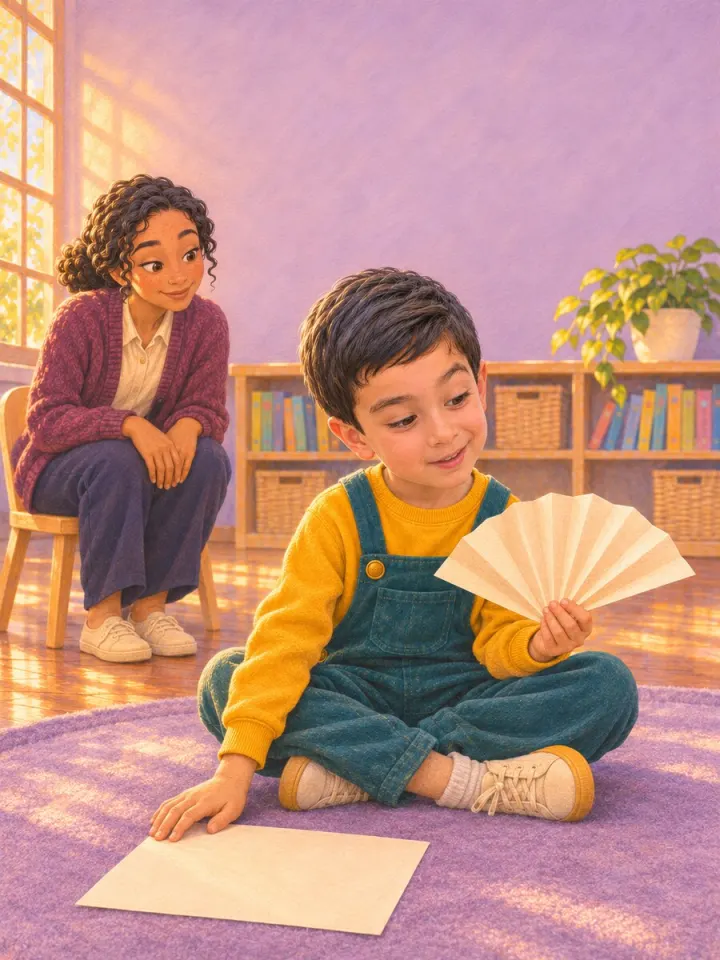
With a fresh matching sheet, George folded a narrow strip, turned the paper over, then folded back the other way. Over, back. Over, back. Little ridges grew beneath careful fingers. The folds ran along the direction the bridge would cross the gap. One crease wandered sideways; George smoothed it and began that fold again. Rowan watched without taking over. This was George's question, and George wanted to do the work.
Before testing, George checked the blocks against their original places on a plain mat. Same gap. Same kind and size of paper. Same counters, placed in the middle one at a time. A folded bridge was different enough to try; the rest needed to stay alike. George laid its ends on the blocks. Between them, the little paper ridges looked like a row of very quiet hills.
The first counter went on. George waited. The bridge stayed up. A second counter rested on the first. Still up. Three. Four. George almost shouted, but kept both hands away. The fifth counter settled on the little stack. Nothing fell. All five were supported above the table. George let out a bubbling laugh. The third try had answered the question in a way the first two had not.
“Can I say it always works?” George asked. “What could you check?” said Rowan. George lifted off the counters and reset the folded bridge. Five again. After another reset, five once more. In the notebook, George drew three rows of five dots. The folded shape had helped this paper bridge carry the five counters in these tests. That was something George could show, without pretending to know every possible bridge.
For the fair, George kept one sagging sheet beside the folded one. Rowan helped attach the drawings to a display. George nearly hid the first two results behind the notebook. They looked rather droopy beside those successful rows of dots. Then George pulled them forward. Without those pages, visitors would miss the most interesting part: how the question had changed the way George worked.
At the fair, a visitor asked whether the folded paper was special. George showed a fresh sheet from the same pile. “Same paper. Same gap. Same counters. I changed the shape.” George demonstrated slowly, then opened the notebook to the two early flops. A classmate leaned closer. “You brought the mistakes?” “They're part of how I found out,” George said. Now explaining them felt almost as good as watching the bridge stand.
Rowan crouched beside the display. “You kept honest notes, changed one thing and checked your result. That's careful scientific work.” George beamed. The five counters rested on their folded paper hills. Beside them lay the two sheets that had fallen. Every piece belonged here. On the way home, George had another question: would a different fold work too? This time, the notebook was already open.
Parts for your family
Add these people to the book and they play these parts, with their own faces. Anyone else you add joins the story as themselves, beside the hero.
- The Science Teacher — suits: Mother, Father, Grandmother, Grandfather, Aunt, Uncle, Someone else
- The Curious Visitor — suits: Mother, Father, Grandmother, Grandfather, Aunt, Uncle, Brother or sister, Cousin, Friend, Someone else