A book can feel more personal when the child recognises someone beside them: a sibling, a parent or the grandparent reading aloud. On I Am In The Story, start with the story’s available roles, then choose the people who fit them. The service supports up to three characters in a book; a tale does not necessarily offer every possible family combination.
Choose the role before choosing the photo
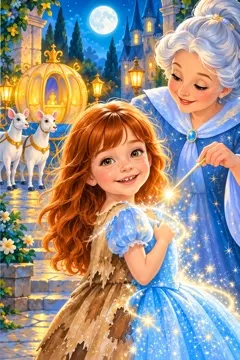
Open a story page and read its roles. A second hero and an adult supporting character have different jobs in the plot. If you want Grandma to be herself rather than a fairy godmother, an idea about your own family may fit better than Cinderella.
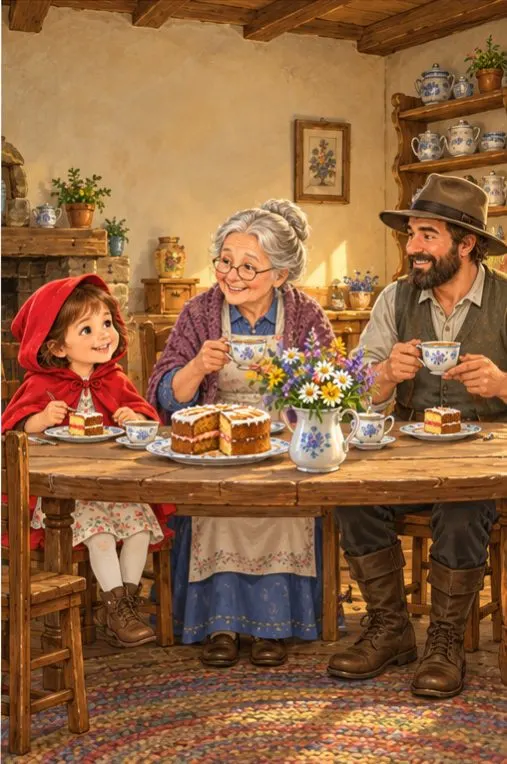
- Little Red Riding Hood has parts for a mother, grandmother and woodcutter; choose within the character limit.
- The Nutcracker offers a godfather and the Nutcracker prince.
- Where Is Santa’s Reindeer? can include a grandfather, father or uncle as Santa.
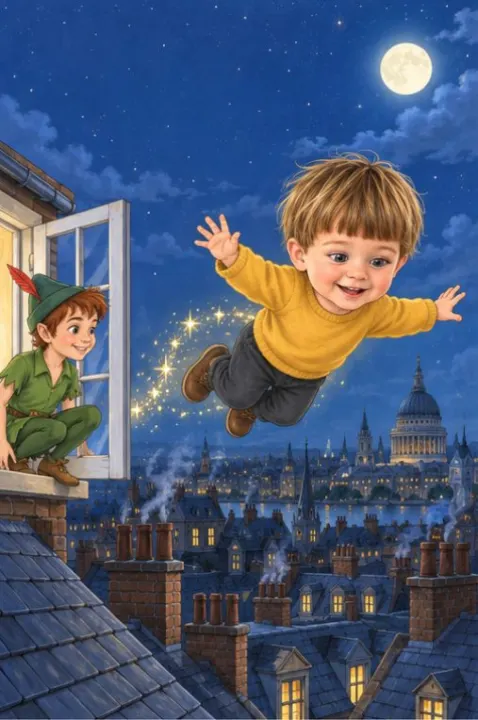
- For siblings, compare Hansel and Gretel with Peter Pan before deciding who leads the adventure.
Use a separate, clear photo for each person
Ask each adult, and a child’s parent, for a suitable reference photo. A group photo makes it harder to tell which face belongs to which role. Use a recent front-facing picture in good light, without a face filter or another face beside it.
The photo guide covers light and framing. Before uploading, read the service’s photo and book privacy policy, especially the difference between a one-off upload, a saved character and a public share link.
Keep the child at the centre
For a sibling gift, decide who the book is for. An older child welcoming a baby can remain the hero, with the baby as a companion where the selected story allows it. For a grandparent’s gift, a familiar helper can make the reading feel like something you share.
Do not add a person just because a spare role is available. Ask what they contribute: help, a joke, a problem to solve together, or the welcome at the end.
Check the completed book together
Read all the pages. Check names and relationships, whether each face is recognisable, and whether the story gives both children the role you intended. The Little Red Riding Hood review shows an actual finished example; it also explains which relatives could play its other roles.
Continue with gifts from grandparents, a book for a new sibling, or a story based on your own family.